DRAG RACE
Ten-second car or full nitrous? Pick any two cars and any trim — times calculated from real specs. Family is not optional.
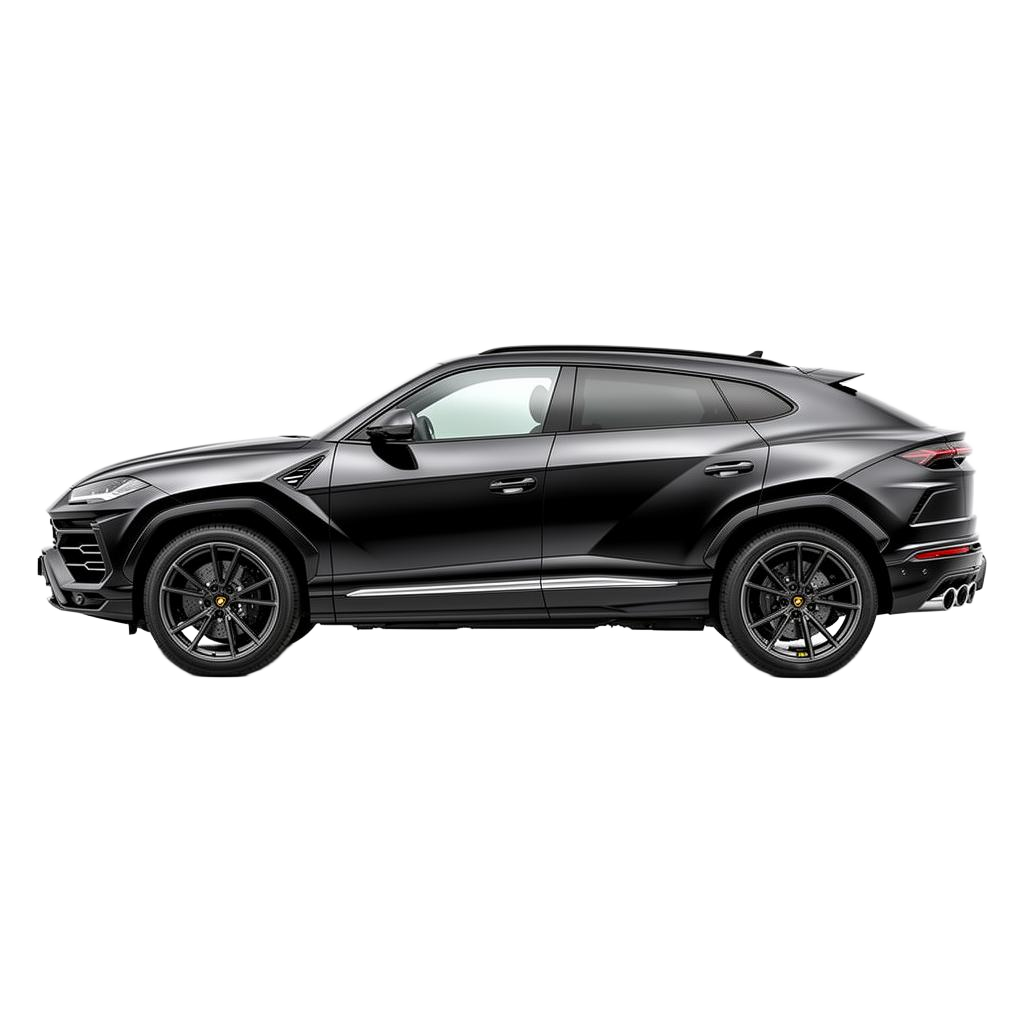
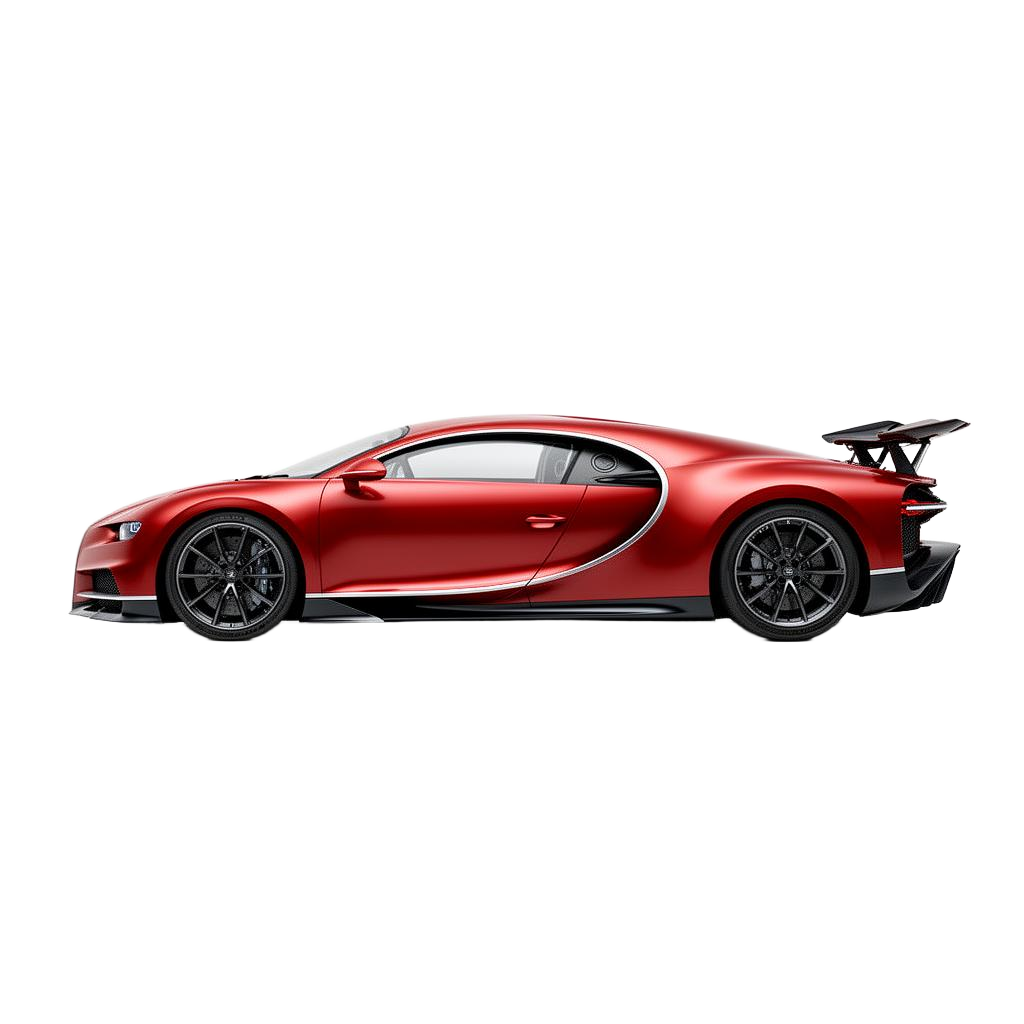
ET & trap speed modeled from real-world Car & Driver / MotorTrend instrumented testing — Fox formula calibrated to each car's published 0-60 with drivetrain (AWD/EV/RWD) and traction adjustments. Real-world results still vary with launch, tires, and weather.
What's actually happening?
New to cars? Here's the physics of a drag race in plain English — no jargon, no gatekeeping.
Horsepower vs. Torque
Torque is the twisting force the engine makes — it's what pushes you back in your seat off the line.
Horsepower is how fast that twist can be applied over time (HP ≈ torque × RPM ÷ 5252). It's what keeps you accelerating at high speeds.
Torque wins the launch. Horsepower wins the top end. A drag race needs both.
Power-to-Weight Ratio
The single best predictor of acceleration. A 700 HP car weighing 4,000 lbs has the same ratio (5.7 lbs/HP) as a 350 HP car weighing 2,000 lbs — they accelerate similarly.
This is why a lightweight Miata can embarrass a heavy luxury sedan with twice the power.
0–60 mph time
How long to go from a standstill to 60 mph. Below ~3 seconds, you're limited by traction, not power — the tires can't grip hard enough to use all the engine.
AWD cars (like the Bugatti Chiron) have a huge launch advantage because all four tires share the work.
The Quarter Mile (¼ mile = 1,320 ft)
The classic drag-strip distance. Two numbers matter:
ET (Elapsed Time) — how long it took. Lower is better.
Trap Speed — how fast you were going crossing the finish line. Higher means more power-to-weight.
Why heavier cars lose
Newton's second law: F = m·a. With the same engine force, double the mass means half the acceleration. Every pound costs time.
It's also why braking and cornering suffer — the laws of physics don't care how nice your interior is.
Drag (the air kind)
Above ~80 mph, the biggest force fighting you is the air itself. Aerodynamic drag grows with the square of speed — going twice as fast means four times the wind resistance.
This is why top speed requires huge power jumps, and why hypercars look like they do.
Drivetrain: RWD, FWD, AWD
RWD (rear-wheel drive) — classic sports-car setup. Better weight balance, but the rear tires do all the work launching.
FWD (front-wheel drive) — cheap, efficient, but the front tires steer AND power, hurting both.
AWD — all four wheels drive. Best launches, heaviest, most complex.
The Fox Formula (how we predict ET)
A real-world approximation drag racers use: ET ≈ 5.825 × ∛(weight ÷ hp).
It nails most cars within a couple tenths because it captures the power-to-weight relationship that physics demands.
What it can't predict: a bad launch, cold tires, a rainy track, or a driver who lifts early.
The Land Rover Range Rover Sport SV Range Rover Sport P550e Autobiography (PHEV) has 542 HP at 5,798 lbs (10.70 lbs/HP). The Koenigsegg Jesko Absolut Jesko has 1280 HP at 3,131 lbs (2.45 lbs/HP). Lower lbs/HP usually wins — but tire grip and drivetrain can flip the result in the first 60 feet.